Are you looking for a reliable radar PCB manufacturer for high-frequency electronic applications? Radar PCB technology is widely used in automotive systems, industrial sensing devices, aerospace equipment, and wireless communication products because of its stable signal transmission capability.
A high-quality radar PCB requires low-loss materials, controlled impedance structures, and precise multilayer manufacturing. This article explains radar PCB materials, board types, design methods, manufacturing processes, and EBest production services to help you better understand high-frequency PCB solutions.
What is a Radar Board?
A radar board is a type of PCB designed for radar systems and high-frequency electronic devices. It is mainly used for signal transmission, sensing, communication, and data processing applications.
Compared with standard PCBs, radar boards require better electrical stability and lower signal loss. The board structure, material selection, and manufacturing accuracy directly affect signal quality.
Many radar systems operate at very high frequencies, especially mmWave applications. Because of this, the PCB must maintain stable impedance and accurate layer alignment during production.
Today, radar boards are widely used in automotive safety systems, aerospace equipment, industrial automation devices, weather monitoring systems, and smart sensing products.
What Materials are Commonly Used for Radar PCBs?
Radar PCB materials play an important role in signal transmission quality, thermal performance, and long-term reliability. High-frequency applications usually require low-loss materials with stable dielectric properties. Common radar PCB materials include:
- Rogers Materials
Commonly used in high-frequency and mmWave applications because of low dielectric loss and stable electrical performance. - PTFE Materials
Suitable for aerospace radar PCB products requiring high signal accuracy. - Taconic Laminates
Provide stable RF performance and reliable thermal stability for high-speed systems. - FR4 Hybrid Structures
Used in some automotive radar PCB applications to balance performance and manufacturing cost. - Ceramic-Filled Materials
Improve heat dissipation and reduce signal attenuation in high-frequency applications. - Metal-Based PCB Materials
Used when enhanced thermal management and mechanical stability are required.
What are Main Types of Radar PCB Board?
Radar PCB boards can be classified according to their signal processing methods and detection functions. Different radar technologies require different PCB structures, processing capabilities, and transmission performance.
- Doppler Radar PCB
Based on the Doppler effect, this low-cost, stable, and durable PCB detects target velocity and motion through signal frequency shift. It is widely used in automotive collision avoidance systems, industrial speed measurement equipment, and human body sensing devices. - Monopulse (Single-Pulse) Radar PCB
This high-precision PCB obtains target distance, azimuth, and elevation information through single pulse signals. It features high positioning accuracy and strong anti-interference capability, making it suitable for missile guidance, aviation monitoring, and military tracking systems. - MIMO Radar PCB
Designed with multiple transmitting and receiving channels, MIMO radar PCB supports parallel signal processing and high-resolution imaging. It is commonly used in autonomous driving radar systems, aerospace remote sensing equipment, and intelligent monitoring devices. - Weather Radar PCB
Specially designed for meteorological monitoring, this PCB can process long-distance and weak echo signals with stable performance and strong signal penetration capability. It is widely applied in weather stations, airport monitoring systems, and marine weather detection equipment. - Passive Radar PCB
Unlike active radar systems, passive radar PCB does not contain a signal transmitting module. It analyzes surrounding reflected electromagnetic signals with low power consumption and strong concealment performance, mainly used in military detection and electromagnetic monitoring applications.
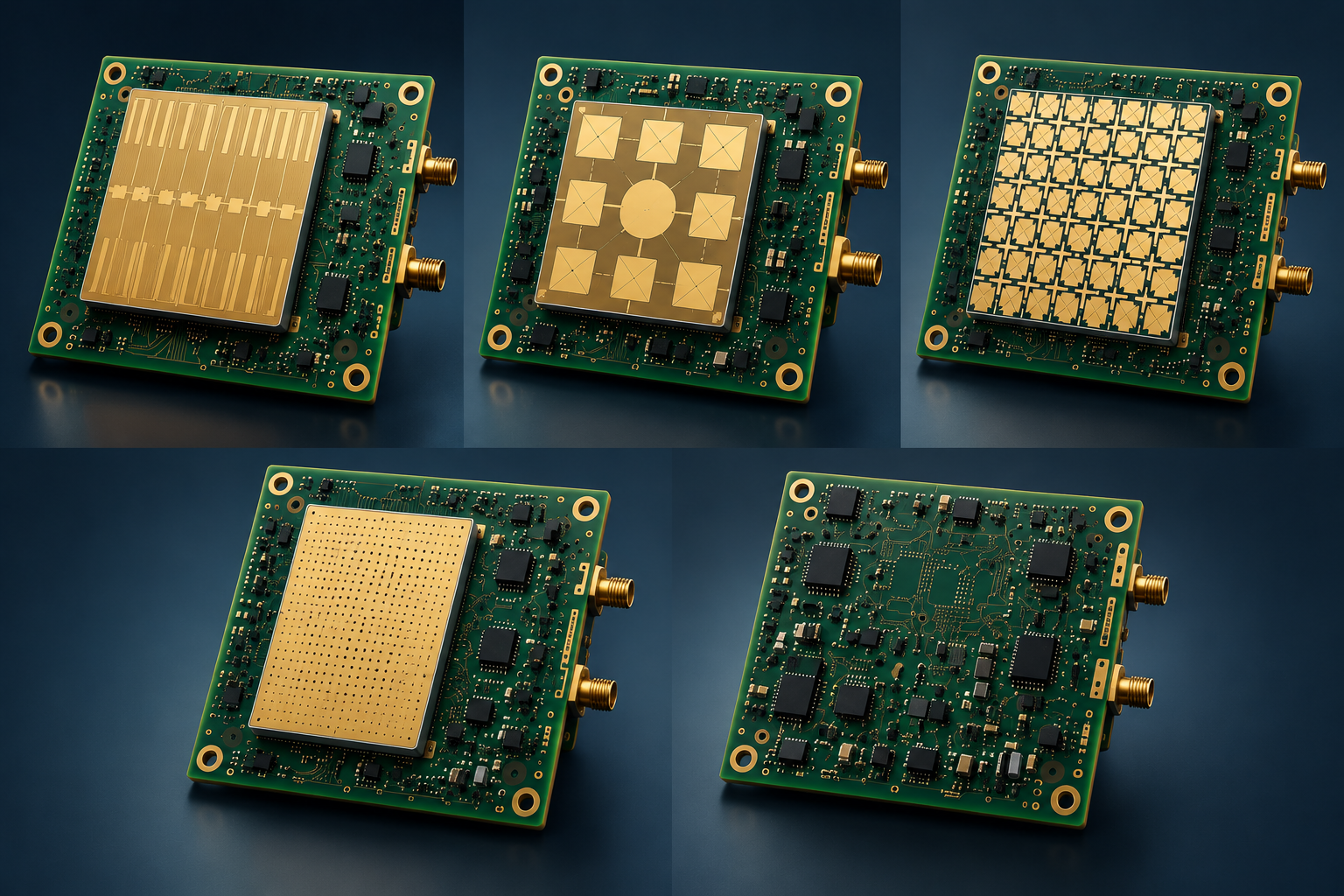
What are Common Applications of Radar PCB Board?
Radar PCB boards are widely used in modern electronic systems because they support stable high-frequency signal transmission and sensing functions. Common applications include:
- Automotive Safety Systems
Including adaptive cruise control and blind spot monitoring systems. - Industrial Automation Equipment
Used for object detection and distance measurement applications. - Aerospace and Aviation Devices
Support navigation and communication systems. - Weather Monitoring Systems
Used in environmental sensing equipment. - Wireless Communication Devices
Require stable high-frequency transmission capability. - Smart Traffic Systems
Applied in vehicle monitoring and traffic management equipment. - Security Monitoring Equipment
Used in motion tracking and remote sensing systems.

How to Design a High-Performance Radar PCB Board?
High-performance radar PCB design requires stable signal transmission, low signal loss, and strong anti-interference capability. Since radar systems usually operate at high frequencies, the PCB structure, material selection, routing layout, and thermal management all directly affect overall performance and reliability. Important design considerations include:
- Choose Suitable High-Frequency Materials
Standard FR4 materials may create excessive signal loss at high frequencies. Many radar systems use Rogers, PTFE, or Taconic materials because they provide lower dielectric loss and more stable electrical performance. These materials are commonly used in automotive, aerospace, and mmWave radar applications. - Design a Stable PCB Stack-Up and Impedance Structure
Multilayer PCB structures help improve signal integrity and reduce interference. Dedicated ground layers and power layers are commonly added to maintain stable impedance and improve shielding performance. Controlled impedance design is especially important because unstable impedance may cause signal reflection and transmission errors. - Keep RF Routing Short and Smooth
Long or complicated traces increase signal attenuation and delay. High-frequency signal traces should remain as short and direct as possible. Smooth routing with curved traces or 45-degree angles helps reduce signal reflection and improve transmission stability. - Improve Grounding and EMI Protection
Continuous ground planes and shielding vias help reduce electromagnetic interference and external noise. Sensitive RF areas should remain separated from power circuits to improve overall signal quality and reduce crosstalk risks. - Optimize Thermal Management Design
Radar systems may generate considerable heat during operation. Thermal vias, copper balancing structures, and heat dissipation designs help maintain stable electrical performance and improve long-term PCB reliability. - Control Manufacturing Accuracy
Multilayer radar PCB boards require precise layer alignment and tight tolerance control. Small production deviations may affect signal synchronization and impedance consistency, especially in high-frequency radar applications. - Select Suitable Surface Finish
ENIG surface finish is widely used in radar PCB manufacturing because it provides flat surface quality, reliable solderability, and stable conductivity for high-frequency electronic products. - Perform Signal Simulation Before Production
Signal integrity simulation helps identify impedance mismatch, signal reflection, and routing issues before manufacturing. Early analysis helps improve production stability and reduces redesign risks.
What is the Manufacturing Process of Radar PCB?
Radar PCB manufacturing requires higher precision than standard PCB production because high-frequency signals are very sensitive to impedance variation, layer alignment, and signal loss. To ensure stable electrical performance, the entire production process must maintain strict material control, accurate processing, and reliable quality inspection. Typical radar PCB manufacturing steps include:
- PCB Design Review and Material Preparation
Before production begins, manufacturers review stack-up structure, impedance requirements, trace spacing, and manufacturing tolerance. High-frequency materials such as Rogers, PTFE, and Taconic are then prepared according to electrical performance requirements. - Inner Layer Imaging and Etching
Circuit patterns are transferred onto copper layers using precision exposure equipment. Chemical etching removes unnecessary copper and forms the required high-frequency circuit layout. - AOI Inspection and Multilayer Lamination
AOI inspection checks for open circuits, short circuits, and dimensional defects before lamination. Multiple PCB layers are then bonded together under controlled temperature and pressure to form stable multilayer structures. - Drilling and Copper Plating
Mechanical or laser drilling creates vias and mounting holes. Copper plating forms conductive connections between PCB layers and helps maintain stable signal transmission performance. - Outer Layer Processing and Surface Finish
Outer circuits are formed through imaging and etching processes. After that, solder mask and surface finish are applied. ENIG is widely used in radar PCB manufacturing because it provides flat surface quality and reliable conductivity. - Impedance Testing and Electrical Inspection
Controlled impedance testing verifies whether signal traces meet electrical requirements. Electrical testing also checks for open circuits and short circuits before shipment. - Final Inspection and PCB Assembly
Finished boards undergo appearance inspection, dimensional verification, and packaging checks. If assembly services are required, SMT assembly and functional testing are completed before delivery.
Why Choose EBest as Radar PCB Manufacturer?
Choosing a reliable radar PCB manufacturer helps improve product stability, reduce production risks, and shorten project lead times. EBest provides one-stop PCB manufacturing and assembly services for high-frequency radar applications with stable quality and fast delivery. Our advantages include:
- More than 20 Years of PCB Manufacturing Experience
EBest has focused on PCB manufacturing since 2006 and has strong experience in high-frequency PCB and multilayer PCB production. - Support for High-Frequency Materials
We support Rogers, PTFE, Taconic, and other materials commonly used in radar PCB applications to maintain stable signal performance. - Strong Multilayer PCB Capability
Our manufacturing process supports precise multilayer PCB production and controlled impedance structures for high-frequency applications. - Quick-Turn Prototype Services
Fast PCB prototyping helps shorten development cycles. Some urgent PCB orders can be shipped within 24 hours. - One-Stop PCB Assembly Services
We provide PCB fabrication, SMT assembly, and component sourcing services in one place to improve project efficiency. - Strict Quality Control
AOI inspection, impedance testing, electrical testing, and shipment inspection help ensure stable product quality and reliability. - Stable Global Delivery Support
Efficient production planning and logistics coordination help maintain stable lead times for prototype and production orders. - International Certifications
Our factory supports IATF 16949, ISO 9001:2015, ISO 13485:2016, AS9100D, RoHS, REACH, and UL standards for industrial and automotive applications. - Flexible Production Capacity
We support both small prototype orders and large-volume PCB production with stable manufacturing capability. - Technical Support for Radar PCB Projects
We provide support for material selection, stack-up review, impedance structure analysis, and manufacturability evaluation to help improve production stability.
What Quality Certifications Do Our Radar PCBs Hold?
Reliable certifications help ensure stable manufacturing quality and consistent production processes for high-frequency PCB products. Our certifications include:
- IATF 16949
- ISO 9001:2015
- ISO 13485:2016
- AS9100D
- RoHS Compliance
- REACH Compliance
- UL Certification
These certifications help ensure stable production quality for automotive, industrial, aerospace, and medical electronic applications.
What Radar PCB Services Do We Offer?
EBest provides complete PCB fabrication and assembly solutions for various radar electronic applications. Our services include:
- Radar PCB prototyping
- High-frequency PCB manufacturing
- Multilayer PCB fabrication
- PCB assembly services
- SMT assembly
- Component sourcing
- PCB design support
- Quick-turn PCB production
- Mass production services
- Impedance control PCB manufacturing
How Do We Ensure the Quality and Reliability of Radar PCB?
Radar PCB products require very stable electrical performance because high-frequency signals are sensitive to impedance variation, layer alignment, and signal interference. Even small production deviations may affect signal transmission quality and long-term reliability. For this reason, EBest follows strict quality management procedures throughout the entire manufacturing process. We ensure product quality and reliability through:
- Strict Incoming Material Inspection
All high-frequency materials are checked before production to verify dielectric properties, copper thickness, and material consistency. This helps maintain stable signal performance from the beginning of the manufacturing process. - Controlled Impedance Verification
Radar PCB products require accurate impedance control for stable signal transmission. We perform impedance calculation and testing during production to ensure electrical consistency. - AOI Inspection During Production
Automated optical inspection is performed after imaging and etching processes to detect open circuits, short circuits, trace defects, and dimensional deviations early. - Precise Layer Alignment Control
Multilayer radar PCB boards require highly accurate layer registration. Tight alignment control helps maintain signal synchronization and stable RF performance. - 100% Electrical Testing
Every finished PCB undergoes electrical testing before shipment to verify continuity, isolation performance, and circuit reliability. - Surface Finish and Solderability Inspection
Surface quality directly affects assembly reliability. ENIG and other surface finishes are inspected to ensure flatness, conductivity, and soldering stability. - Thermal and Reliability Evaluation
For high-reliability applications, additional thermal and environmental testing may be performed to verify long-term operating stability. - Production Traceability Management
Each production batch is traceable from raw materials to finished shipment, helping maintain stable quality control and production consistency. - Experienced Manufacturing and Assembly Support
Our production team follows standardized manufacturing procedures and strict inspection standards throughout PCB fabrication and assembly processes.
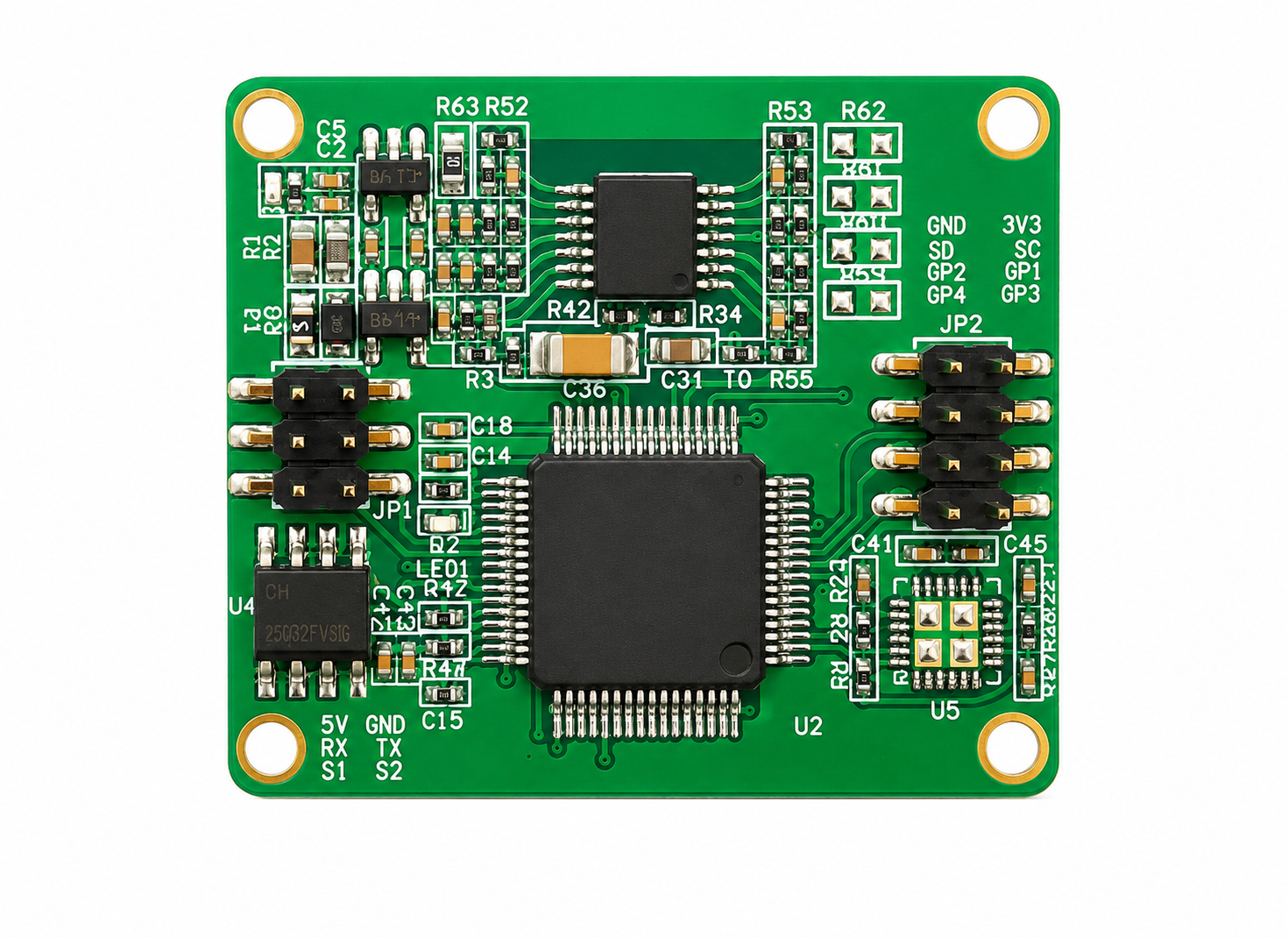
How Do We Maintain On-Time Delivery for Radar PCB Orders?
Fast and stable delivery is important for radar PCB prototype development and volume production projects. Delays in material preparation, production scheduling, or assembly may affect the entire project timeline. EBest maintains reliable lead times through efficient manufacturing coordination and stable supply management. Our delivery advantages include:
- Efficient Production Planning
Production schedules are arranged according to project requirements, PCB complexity, and material availability to reduce unnecessary delays. - Stable High-Frequency Material Supply
We maintain long-term cooperation with material suppliers to ensure stable availability of Rogers, PTFE, Taconic, and other high-frequency laminates. - Quick PCB Design Review Process
DFM analysis and production review are completed quickly before manufacturing begins, helping reduce engineering delays and improve production efficiency. - Dedicated Prototype Production Support
Separate quick-turn production arrangements help accelerate radar PCB prototype manufacturing for urgent projects. - Flexible Manufacturing Capacity
Our production capability supports both small-volume prototypes and large-scale production orders with stable scheduling management. - Real-Time Production Tracking
Production progress is monitored throughout fabrication and assembly stages to improve schedule visibility and delivery stability. - Optimized SMT Assembly Scheduling
Assembly planning is coordinated with PCB production to reduce waiting time between fabrication and SMT processes. - Strict Shipment and Packaging Management
Finished products are inspected, packaged, and prepared for shipment according to project schedules to reduce logistics delays. - Global Logistics Support
We work with international shipping partners to support fast worldwide delivery for prototype and production PCB orders. - Urgent PCB Production Capability
For time-sensitive projects, expedited manufacturing services are available, and some urgent PCB orders can be shipped within 24 hours.
FAQs About Radar PCB Board
Q1: What frequency ranges are commonly used in radar PCB applications?
A1: Different radar systems operate at different frequency ranges. Automotive radar commonly uses 24GHz and 77GHz, while some mmWave applications may use even higher frequencies for more accurate detection and faster signal processing.
Q2: Why are low-loss materials important for radar PCB manufacturing?
A2: High-frequency signals can easily lose energy during transmission. Low-loss materials help reduce signal attenuation and improve transmission stability, especially in long-distance or high-speed radar applications.
Q3: Can radar PCB boards support both prototype and mass production?
A3: Yes. Radar PCB products can be manufactured in small prototype quantities for testing and also scaled to volume production once the project enters the mass manufacturing stage.
Q4: What PCB thickness is commonly used for radar applications?
A4: Radar PCB thickness depends on operating frequency, stack-up structure, and mechanical requirements. Many high-frequency radar boards use controlled thickness structures to maintain stable impedance performance.
Q5: Why is impedance control important in radar PCB production?
A5: Stable impedance helps maintain signal quality and reduces signal reflection during transmission. Poor impedance control may affect radar accuracy and overall system performance.
Q6: Can radar PCB boards work in harsh environments?
A6: Yes. Many radar PCB products are designed for automotive, aerospace, and industrial applications where high temperature, vibration, and humidity resistance are required.
Q7: Does EBest support turnkey radar PCB assembly services?
A7: Yes. EBest provides one-stop services including PCB fabrication, SMT assembly, component sourcing, testing, and final product delivery.
Q8: What should be considered when designing a radar PCB antenna?
A8: Radar PCB antenna design requires stable impedance control, accurate trace dimensions, and low-loss PCB materials to maintain reliable signal transmission. Antenna layout, grounding structure, and layer stack-up also directly affect radar detection accuracy and overall RF performance.
Get Your Custom Radar PCBs Quote
Looking for a reliable supplier for radar PCB fabrication and assembly services? EBest provides custom PCB manufacturing(including RF PCB, Ceramic PCB and so on), quick prototyping, multilayer PCB production, and turnkey assembly support for automotive, industrial, aerospace, and communication applications.
Whether you need PCB prototypes or volume production, we can support your project with stable quality, fast delivery, and competitive pricing. Contact EBest today for your custom PCB quotation: sales@bestpcbs.com.
Tags: Radar PCB, radar pcb antenna, Radar PCB Board, Radar PCB Design
PakarPBN
A Private Blog Network (PBN) is a collection of websites that are controlled by a single individual or organization and used primarily to build backlinks to a “money site” in order to influence its ranking in search engines such as Google. The core idea behind a PBN is based on the importance of backlinks in Google’s ranking algorithm. Since Google views backlinks as signals of authority and trust, some website owners attempt to artificially create these signals through a controlled network of sites.
In a typical PBN setup, the owner acquires expired or aged domains that already have existing authority, backlinks, and history. These domains are rebuilt with new content and hosted separately, often using different IP addresses, hosting providers, themes, and ownership details to make them appear unrelated. Within the content published on these sites, links are strategically placed that point to the main website the owner wants to rank higher. By doing this, the owner attempts to pass link equity (also known as “link juice”) from the PBN sites to the target website.
The purpose of a PBN is to give the impression that the target website is naturally earning links from multiple independent sources. If done effectively, this can temporarily improve keyword rankings, increase organic visibility, and drive more traffic from search results.
Comments are closed, but trackbacks and pingbacks are open.