The selection of electronic PCB manufacturers directly determines product reliability, cost structure and long-term scalability. In the electronics, automotive systems, medical devices and smart hardware industries, PCB performance is not just about connectivity — it also determines thermal stability, signal integrity and life cycle durability. This article explains how to evaluate production depth, engineering capabilities, and supply chain strength when selecting a long-term PCB partner.
Many engineers and resource managers face recurring problems:
- PCB quality is inconsistent between prototype and mass production
- Limited DFM support led to redesign cycles
- Unstable supply chains and component shortages
- Poor impedance control and signal integrity failure
- Long lead times without transparent production tracking
Qualified electronic PCB manufacturers solve these challenges through:
- Overview of structured DFM and stack optimization
- Controlled manufacturing process with SPC monitoring
- Integrated PCB fabrication + PCBA assembly
- Authorized component sourcing and risk mitigation
- Digital traceability and predictable delivery scheduling
EBest Circuits (Best Technology) is an experienced electronic PCB board manufacturer specializing in high reliability electronic PCB fabrication and integrated PCBA solutions. We serve a wide range of industrial needs and accommodate customers with professional engineering advice that aligns with their product performance and cost goals. Our capabilities include custom 6-50 layer PCB manufacturing PCBA for smart electronics, supporting multilayer designs, HDI and complex mixed technologies. In addition, we provide THT PCB auto assembly electronics manufacturing services to ensure stable soldering quality for power, industrial and control applications. For engineering consultation or quote support, please contact us sales@bestpcbs.com.
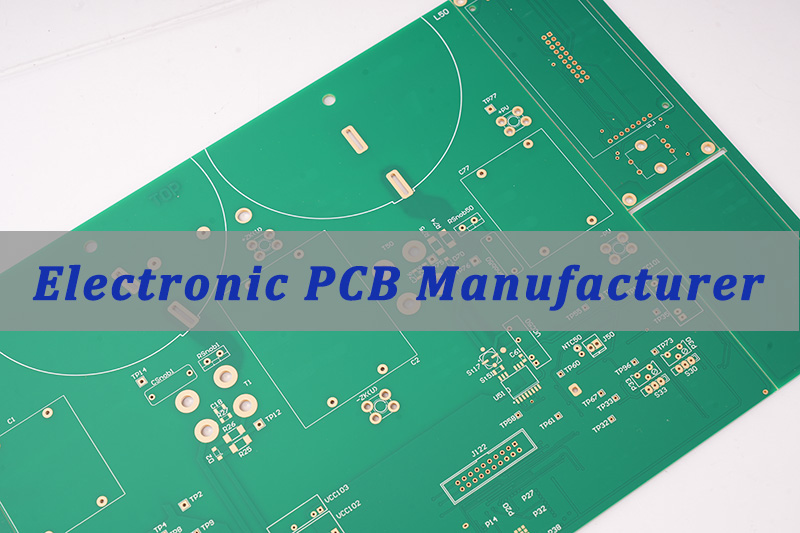
What Do Electronic PCB Manufacturers Actually Provide Apart from Fabrication?
Professional electronic PCB manufacturers do more than just bare board fabrication. It provides an integrated manufacturing ecosystem that includes engineering, assembly, procurement, and validation.
Core services typically include:
True manufacturability means alignment between design goals and process execution. Companies that simply “manufacture boards” without engineering review often have hidden risks that emerge during mass production.
In practice, a manufacturing company’s value lies in its ability to control variables throughout the life cycle, not just drilling and plating.
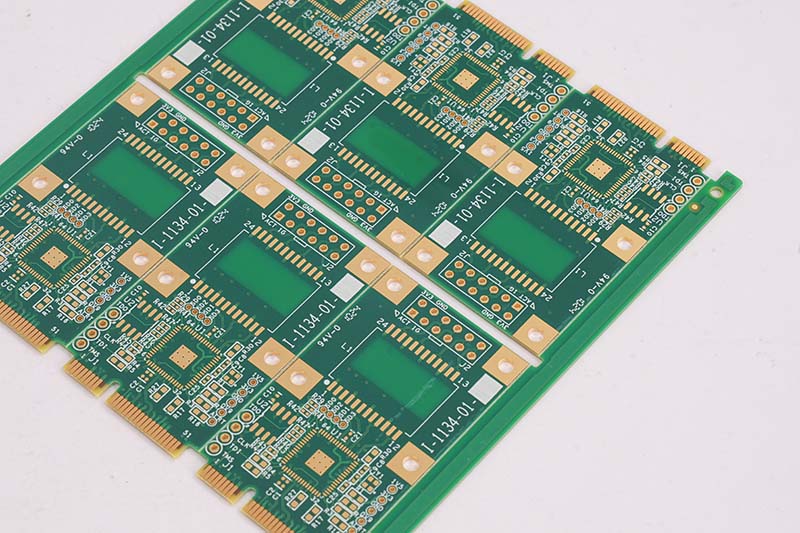
How to Evaluate the Reliability of an Electronic PCB Manufacturing Process?
Reliability starts with process control. A capable electronics PCB manufacturing process must demonstrate measurable control over lamination, drilling, coating, and surface finish.
Main evaluation points:
| Process Stage | Critical Control Parameters |
|---|---|
| Lamination | Stability of temperature and pressure curves |
| Drilling | Hole wall roughness and position tolerance |
| coating | Uniformity of copper thickness |
| Solder Mask | Registration accuracy |
| Surface Finish | Thickness compliance (ENIG/OSP etc.) |
Additionally, state-of-the-art facilities implement:
- Automatic Optical Inspection (AOI)
- X-ray inspection for multilayer alignment
- Microsection analysis
- Statistical Process Control (SPC)
From an engineering perspective, consistency in process control is what differentiates prototype-level suppliers from bulk-ready manufacturers.
Why is Engineering Support Important When Choosing an Electronic PCB Assembly Manufacturer?
Engineering support determines whether your design moves smoothly from concept to stable production. Electronic PCB assembly manufacturers should provide early stage DFM involvement rather than passive order fulfillment.
Engineering involvement typically includes:
- Stack optimization for impedance control
- Validate eligibility via in-pad
- Thermal management analysis
- Solder mask clearance review
- Verify component traces
Early collaboration reduces redesign cycles and shortens time to market.
More importantly, it prevents costly problems such as warping, insufficient annular rings, or reflow defects that often appear only after mass production begins.
Can a Single Electronic PCB Manufacturer Handle HDI, Multilayer, and Rigid-Flex Designs?
Not all manufacturers can support advanced structures.
A qualified electronics PCB manufacturer must demonstrate capabilities in:
Complex products increasingly demand hybrid solutions. For example, industrial control systems may incorporate multilayer logic boards with rigid-flex connectors.
Ultimately, technical breadth allows one manufacturing partner to support a diverse product portfolio without switching suppliers.
What Industries Require High Reliability Electronic PCB Manufacturers?
Certain industries require increased process discipline and certification alignment.
Common sectors include:
Each sector imposes specific compliance demands such as IPC Class 3, ISO 13485, or the automotive quality framework.
Overall, industry-specific experience significantly reduces compliance risks and accelerates product validation.
How Do Electronic PCB Manufacturers Manage Supply Chain and Component Risk?
Supply chain resilience is a key differentiator. Robust electronic PCB manufacturers implement:
- BOM validation and alternative component recommendations
- Official distributor source
- Incoming material inspection
- Traceability at multiple levels
- Anti-counterfeiting inspection
Component shortages have become a strategic risk factor. Manufacturers with diversified sourcing channels and forecasting systems mitigate disruptions more effectively.
The bottom line is, supply chain discipline directly protects production continuity.
What Determines Lead Time In Electronic PCB Manufacturing?
Lead times depend on technical complexity and operational readiness.
Main influencing factors:
- Number of layers and board thickness
- HDI or sequential lamination requirements
- Type of surface finish
- Component availability
- Scope of testing and validation
Well-prepared engineering documentation reduces preproduction delays. Clear Gerber files, validated BOMs, and confirmed stack requirements simplify fabrication scheduling.
In summary, engineering preparation and plant capacity alignment together determine a realistic delivery schedule.
How To Choose The Right Electronic PCB Manufacturer For Long Term Partnership?
Long-term partnerships require more than just competitive prices.
Evaluate:
- In-house fabrication and assembly capabilities
- Structured DFM support
- International certification
- Traceability of digital production
- Prototype-to-volume scalability
Request factory audits, sample reports, and quality documentation before committing.
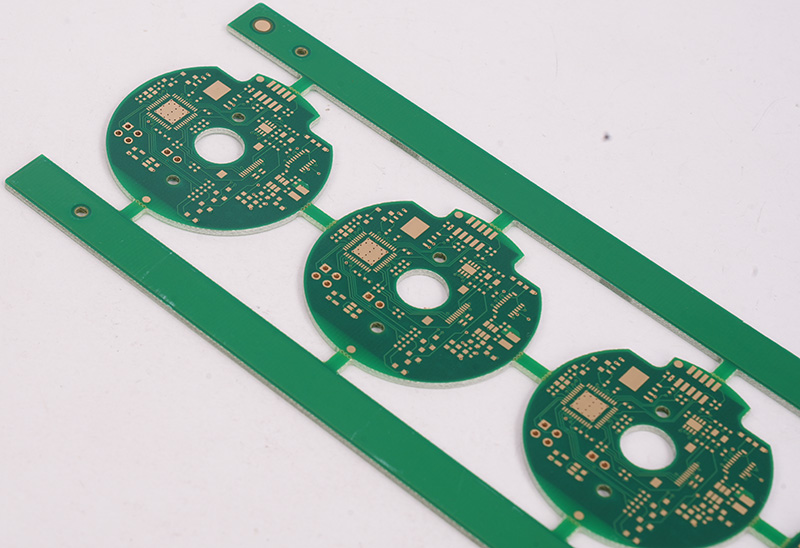
In conclusion, sustainable collaboration is built on transparency, technical depth and operational stability.
The choice of electronic PCB manufacturer has a direct impact on product reliability, cost efficiency and scalability.
Engineering capability, process control, and supply chain strength determine long-term success.
Choose a partner that offers integrated fabrication, assembly, and DFM support. Structured evaluation ensures sustainable growth and reduces production risks. For engineering consultation, DFM review, or competitive bidding, feel free to contact EBest Circuits (Best Technology) at sales@bestpcbs.com.
FAQ About Electronic PCB Manufacturers
1. What Certifications Should Electronic PCB Manufacturers Have?
Common certifications include ISO 9001, an IPC compliance standard, and industry-specific certifications such as ISO 13485 for medical or automotive quality frameworks.
2. Can One Manufacturer Handle Prototypes and Mass Production?
Yes, an integrated facility with a scalable production line can move from small batch prototyping to volume production while maintaining process consistency.
3. How Do I Verify PCB Quality Before Volume Production?
Request microsection reports, impedance test data, solderability reports and sample validation before mass production approval.
4. What is the Typical Lead Time For Multilayer PCB Assembly?
Standard multilayer PCB assembly generally takes between 1–3 weeks depending on complexity and material availability.
Tag: Electronic PCB Board Manufacturer, electronic PCB fabrication, electronic PCB manufacturer, electronic PCB manufacturer, electronic PCB manufacturing, electronic PCB production
This entry was posted on Tuesday, March 3, 2026 at 15:23 and is filed under best PCB, best PCB. You can follow any responses to this entry via the RSS 2.0 feed. You can skip to the end and leave a response. Ping is currently not allowed.
Berita Terkini
Berita Terbaru
Daftar Terbaru
News
Jasa Impor China
Berita Terbaru
Flash News
RuangJP
Pemilu
Berita Terkini
Prediksi Bola
Technology
Otomotif
Berita Terbaru
Teknologi
Berita terkini
Berita Pemilu
Berita Teknologi
Hiburan
master Slote
Berita Terkini
Pendidikan
Resep
Jasa Backlink
Slot gacor terpercaya
Anime Batch
Comments are closed, but trackbacks and pingbacks are open.