PCB assembly connects design intent to the physical product. Circuit performance, mechanical limitations, and component selection all move from the schematic and layout to the production board. Any gap between engineering and manufacturing at this stage creates risks in development.
Collaboration reduces these gaps because it brings design, manufacturing, and procurement into a common workflow from the start. Decisions are reviewed against actual production capabilities, constraints become apparent early, and adjustments can be made before they impact cost, time, or quality.
For electronics manufacturers, collaboration and PCB assembly have a close relationship. When communication and technical alignment are in place, projects move from prototype to production with fewer disruptions and more predictable outcomes.
Clear Communication Between Engineering and Manufacturing Teams
PCB assembly relies on transferring accurate design data into the production process. The design engineer determines the electrical behavior and layout constraints. The manufacturing team translates this into stencil design, placement programming, soldering profiles and inspection stages.
Without clear communication, this translation can lead to errors. Component orientation may be misinterpreted. Tolerances may not align with placement capabilities. Assembly constraints may not be visible during layout.
Sharing complete technical data early on will reduce this risk. Gerber files, pick and place data, bill of materials, and stack information should be reviewed together. The manufacturing team can then confirm whether the design matches the process capabilities.
Communication must continue throughout development. Engineering change notifications, revision updates, and production feedback all need to happen quickly between teams. This maintains alignment and maintains design consistency at every stage of assembly.
Preliminary Design for Manufacturing Discussion
Design discussions for manufacturing allow the manufacturing team to review the layout before release. This is where many assembly risks can be eliminated early on.
Component spacing, bearing geometry, and orientation all influence how the board moves through placement and position adjustments. Panelization strategies influence handling and throughput. The stencil design influences the solder volume and joint formation.
Early collaboration allows these factors to be assessed before being finalized in the design. Adjustments at this stage are less disruptive than changes during production.
This becomes more important with complex board types. Involving projects Flexible PCB introduces additional limitations around material stability, bend radius, and thermal exposure during assembly. These factors should be considered during layout, not after removal.
Early DFM input helps identify cost drivers, reduce assembly variations, and improve first-pass results.
Faster Problem Solving During Production
Even with thorough preparation, problems may arise during assembly. Component tolerances, process variations, or unexpected board behavior can affect manufacturing.
Collaboration allows these problems to be resolved quickly. Engineers and manufacturing teams can review problems together, comparing design intent with actual process conditions. Data from the AOI, X-ray, or testing phase can be used to identify the source of the problem.
Once identified, adjustments can be made without delay. This may involve fine-tuning the reflow profile, adjusting placement parameters, or reviewing component selection. With alignment between both teams, changes can be implemented in a controlled manner.
This reduces downtime and prevents problems from affecting multiple batches. Problems are contained within the active production window rather than extending across the entire schedule.
Reducing Design Errors Before Assembly Begins
Design errors are one of the most common causes of production disruptions. Issues such as incorrect treading, inadequate spacing, or incompatible components can prevent the board from being properly assembled.
Collaborative design reviews provide a structured way to identify these risks. The manufacturing team assesses layouts based on assembly capabilities, checking placement constraints, solder joint accessibility, and thermal considerations.
Component compatibility is reviewed against process requirements. Devices with fine pitch, sensitive components, and mixed technology assemblies require special handling during placement and soldering.
By resolving these issues before release, the team reduces the chance of rework, teardown, or redesign. This protects production schedules and development budgets.
Better Planning Regarding Component Availability
Component availability plays an important role in PCB assembly scheduling. Wait times can vary greatly between semiconductors, connectors, and passive components. Supply constraints can impact construction dates if not addressed early.
Collaboration allows these risks to be identified during the design stage. Procurement teams can highlight components with long lead times or limited availability. The engineering team may review alternatives before the design is finalized.
Approved alternatives reduce reliance on single source components. This supports continuity if supply conditions change. This also allows the build schedule to remain stable when availability changes.
Aligning design decisions with procurement input creates a more reliable production plan and reduces the risk of delays related to material shortages.
More Efficient Prototyping and Product Iteration
Prototype assembly is where the design meets physical validation. Initial manufacturing provides data on performance, manufacturability, and potential points of failure.
Collaboration improves this stage by shortening the feedback loop. Manufacturing teams can provide direct feedback on assembly behavior, placement challenges, or soldering results, and engineers can adjust designs based on actual manufacturing data.
Each iteration becomes more efficient, problems identified in one build can be resolved before the next iteration, and process parameters can be refined as the design changes.
This leads to a smoother production transition. Knowledge gained during prototyping will be passed on, reducing uncertainty during scale-up.
Improved Quality Control Across Projects
Quality control relies on alignment between design requirements and manufacturing processes. Collaboration allows both parties to determine how quality will be measured and maintained.
Inspection strategies can be agreed early on. AOI can verify solder placement and joints after reflow. X-rays can assess hidden connections. In-circuit and functional testing ensures electrical performance.
This process is usually aligned with recognized standards such as IPC-A-610 and J-STD-001. Combined with traceability and batch control, they provide a structured approach to maintaining consistency.
Early collaboration helps identify potential defect risks before they appear in production, thereby reducing variations between builds and increasing long-term reliability.
Stronger Transparency Around Production Progress
Clear visibility during production allows teams to manage projects more effectively. Collaboration supports structured reporting and regular updates throughout development.
Manufacturing partners can provide status at each stage, including assembly progress, inspection results and test results, and any deviations from plan can be flagged early.
This allows engineering and operations teams to respond before delays increase. Scheduling, procurement or design adjustments can be made with the latest information.
Transparency reduces uncertainty and supports better coordination between departments.
Building Long-Term Manufacturing Partnerships
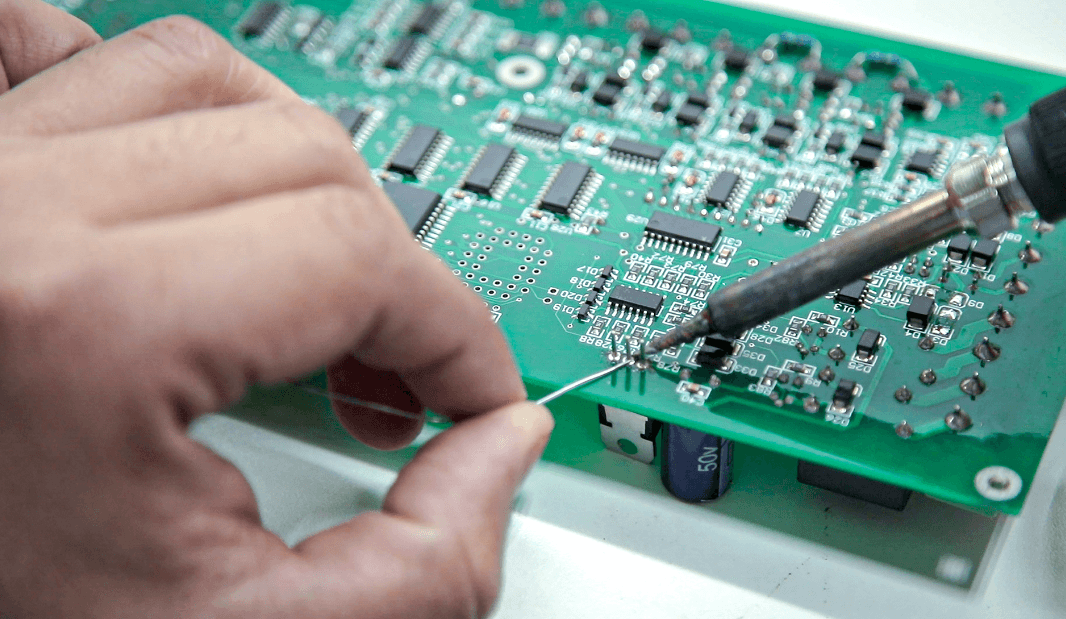
Iterative collaboration builds familiarity between teams, enabling manufacturing partners to gain a deeper understanding of product requirements, assembly constraints, and performance expectations.
Communication becomes more efficient over time, shared processes develop, and technical discussions become more focused and productive.
This continuity increases efficiency across projects as setup time is reduced and risks are identified earlier, meaning production moves with less disruption.
Long-term partnerships support more stable production output and more predictable deliveries.
How Collaboration Leads to More Reliable PCB Assembly Results
Collaboration connects design, manufacturing, and supply chain into one process. Communication improves accuracy. Early DFM input reduces design risk. Alignment of procurement stabilizes material availability.
Production benefits from faster problem resolution, structured inspections and clear visibility. Prototyping cycles become more efficient and quality remains consistent across batches.
For electronics manufacturers, collaboration and PCB assembly are directly related to reliability. Projects move through development and production with greater control and fewer disruptions.
If you want to work with a manufacturing partner that supports this level of collaboration, you can contact us to discuss your project needs.
The post How Collaboration Improves Every PCB Assembly Project appeared first on Altimex.
PakarPBN
A Private Blog Network (PBN) is a collection of websites that are controlled by a single individual or organization and used primarily to build backlinks to a “money site” in order to influence its ranking in search engines such as Google. The core idea behind a PBN is based on the importance of backlinks in Google’s ranking algorithm. Since Google views backlinks as signals of authority and trust, some website owners attempt to artificially create these signals through a controlled network of sites.
In a typical PBN setup, the owner acquires expired or aged domains that already have existing authority, backlinks, and history. These domains are rebuilt with new content and hosted separately, often using different IP addresses, hosting providers, themes, and ownership details to make them appear unrelated. Within the content published on these sites, links are strategically placed that point to the main website the owner wants to rank higher. By doing this, the owner attempts to pass link equity (also known as “link juice”) from the PBN sites to the target website.
The purpose of a PBN is to give the impression that the target website is naturally earning links from multiple independent sources. If done effectively, this can temporarily improve keyword rankings, increase organic visibility, and drive more traffic from search results.
Comments are closed, but trackbacks and pingbacks are open.